
Some help on the way for sugar beet farmers
By Sean Ellis
Idaho Farm Bureau Federation
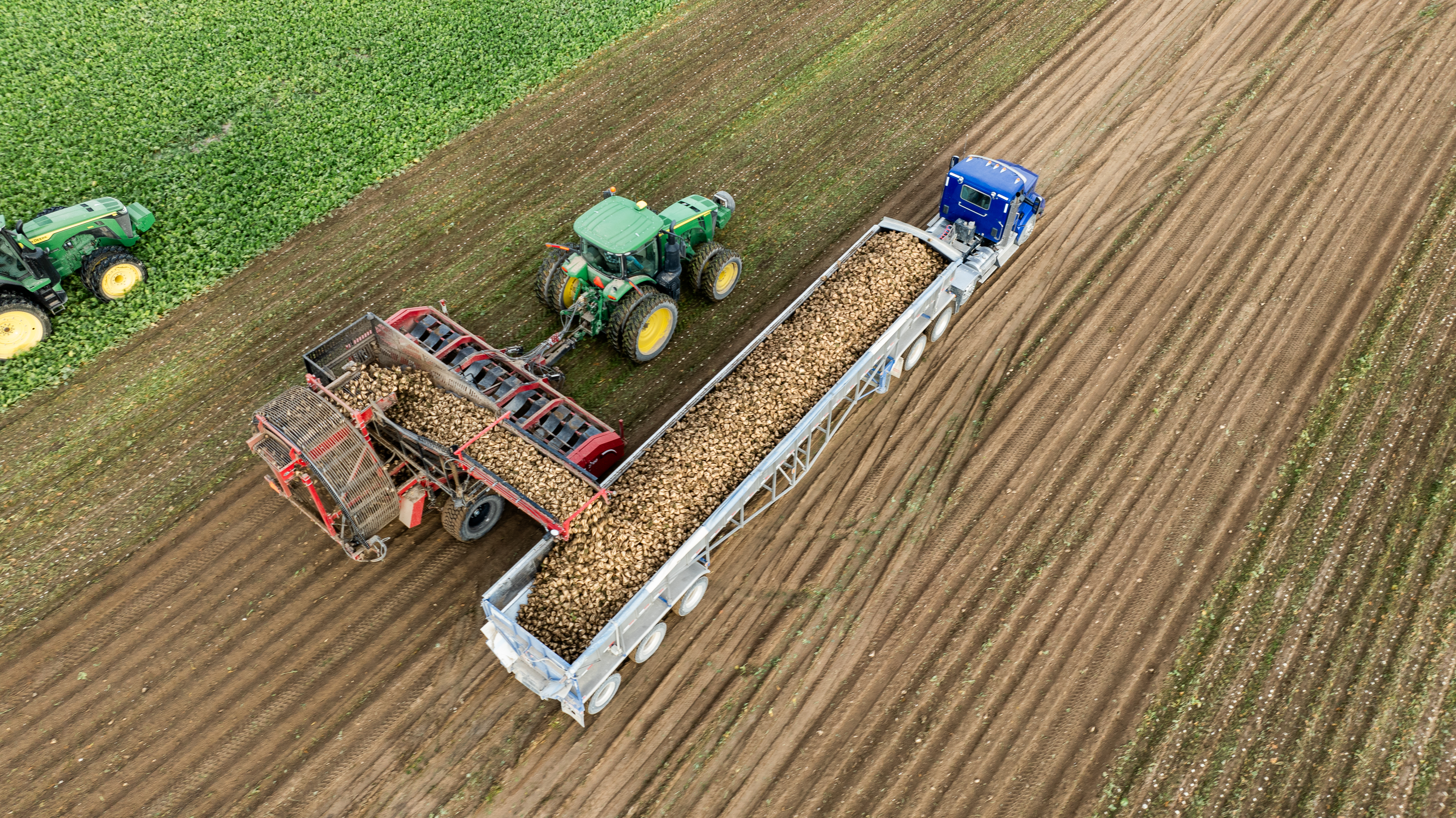
POCATELLO – USDA’s Feb. 20 announcement that the federal government will provide $150 million in assistance to American sugar beet and sugar cane farmers came as welcome news to Idaho’s 400-plus sugar beet growers.
More help is needed by the beleaguered industry, which is facing a massive drop in farm-level prices, but the assistance is much appreciated, said Samantha Parrott, executive director of the Snake River Sugarbeet Growers Association.
Parrott estimates sugar beet farmers will receive roughly $120 per acre from that $150 million, which is for sugar beet and sugar cane growers. That might seem like a good amount until you realize the sugar beet association estimates its growers lost, on average, about $500-600 per acre on the 2025 crop.
“We need more (assistance), but we’re appreciative of the administration to get some funding and we continue to bring that message to D.C. that we need more help,” she said.
Idaho farmers typically plant about 170,000 acres of sugar beets and that crop is known as a cash crop in Idaho, meaning a grower can make some decent money off of them some years.
But as is the case now, a farmer can also lose some big money when the price they receive for their beets is far less than what it costs to grow them.
Parrott said the price that sugar beet growers receive for their commodity has declined by 42 percent over the past two years.
“Our sugar beet growers are really struggling right now,” she said. “We’re seeing a total market collapse and that’s due to a historic over-supply of sugar on our market.”
This over-supply, she said, is coming from foreign countries with heavily subsidized sugar industries that are dumping sugar on the world market, which is finding its way into the U.S. and displacing American sugar.
According to a USDA news release, the $150 million in assistance to sugar beet and sugar cane growers is “in response to temporary market disruptions and increased production and processing costs.”
“USDA will work with sugar processors in the coming months to finalize agreements that will deliver assistance directly to farmer-members,” the USDA news release states.
While the USDA announcement was welcomed by the sugar industry, it didn’t happen by chance.
In December, 20 sugar farmers, including three from Idaho, joined Parrott and other industry leaders on an emergency fly-in to Washington, D.C., to request economic aid.
The fly-in included visits, as an industry, with 100 congressional offices, 10 visits across the White House, USDA, U.S. Treasury Department and the U.S. Trade Representative’s office.
“We told our story of how bad things are in (sugar) country right now and let them know that we needed the president to act,” Parrott said. “It’s because of that fly-in that sugar was included in the president’s economic aid package.”
The Snake River Sugarbeet Growers Association represents about 600 farmers in Idaho, Oregon and Washington, that plant a combined 180,000 acres of sugar beets each year.
These beets – each one is about the size of a football when fully mature – are sold to Amalgamated Sugar Co., which is owned by growers in the three states.
Amalgamated growers combined typically grow about 12 percent of the sugar consumed in the United States.
U.S. sugar comes from sugar beets or sugar cane. Both have a really high sugar content. In Idaho, sugar beets contain about 18 percent sugar and one beet contains about one cup of sugar.
Idaho ranks No. 2 in the nation in total sugar beet production and the industry has an estimated $1 billion-plus impact on the state’s economy. Amalgamated is one of Idaho’s largest private employers.
Sugar beets are particularly important in many rural parts of Idaho, where they normally pay the bills for a lot of farmers and help underpin the local economy.
Still can't find what you are looking for? Find by topic:
- County Presidents & Board Information
- County Resource Page
- Delegate Form
- Discount Programs
- Discussion Meet
- Discussion Meet - High School
- Education Programs
- Events
- Excellence Award (YF&R)
- Expense Voucher
- Flickr- Photos
- Gem State Producer
- High School Discussion Meet
- High School Speech Contest
- Hope in Idaho Ag
- House of Delegates Credentials Form
- IFBF Board of Directors
- IFBF Staff
- Insurance
- Issue Advisory
- Legislative Action Program
- Legislative Issues
- Library
- MAC Trailer
- Magazines
- Map My Benefits
- Member Benefits
- Member Discount
- Membership Application
- Mental Health Resources
- Mission Statement
- Moving Agriculture to the Classroom
- Newsletter Sign up
- News Releases
- News Room
- Open Range Law
- Photo Contest
Thank You to Our Partners


