
Idaho supports real sugar vs. artificial sweeteners
By Sean Ellis
Idaho Farm Bureau Federation
POCATELLO – Idaho lawmakers have approved a measure that asks the federal government to use real sugar in school meals rather than artificial sweeteners.
House Joint Memorial 10 sailed through the Idaho Legislature with support from both sides of the aisle. It urges Congress and federal agencies to prohibit artificial sweeteners in federally funded school meal programs and instead to prioritize the use of real sugar.
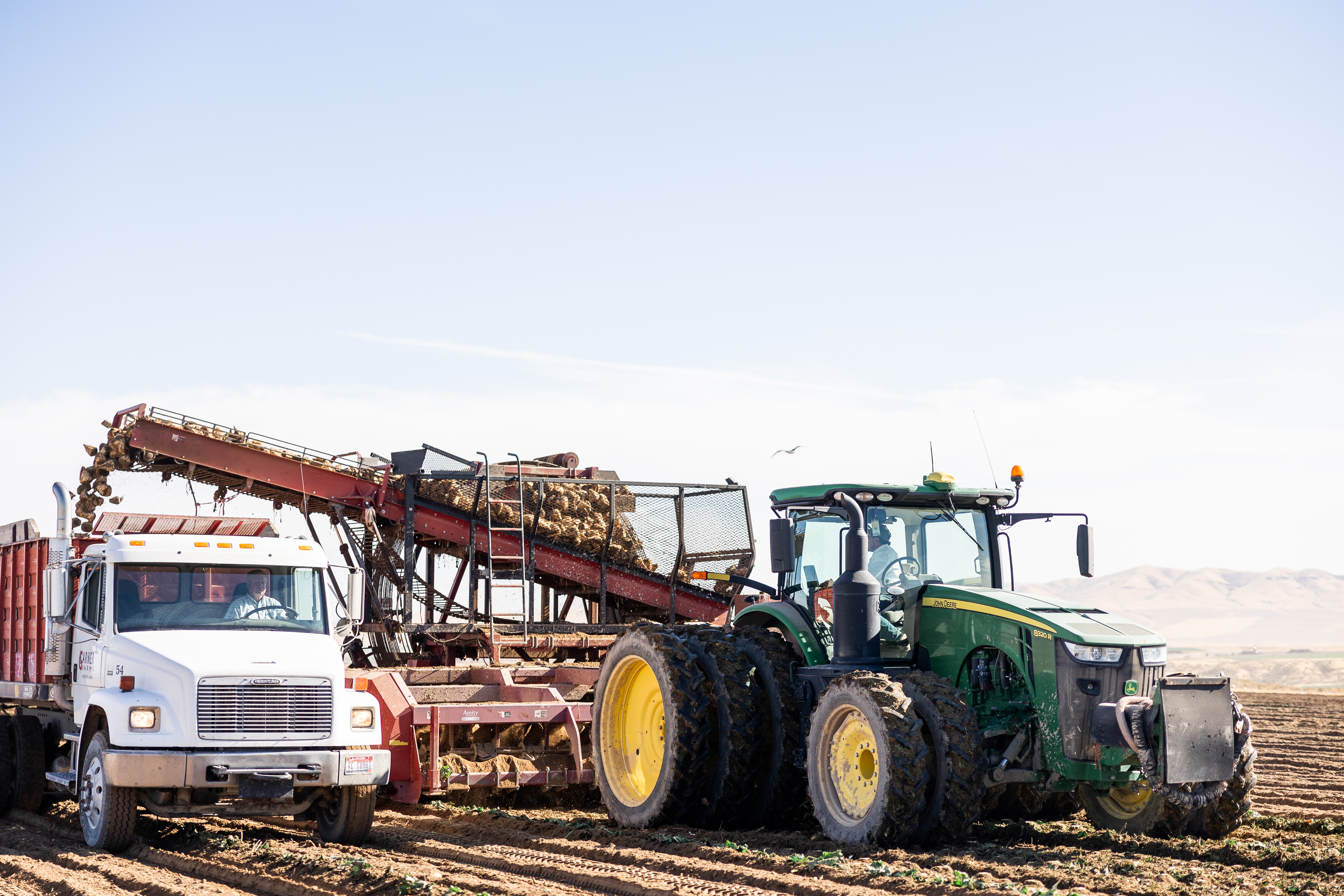
Sugar beets are one of the state’s major crops and those beets are turned into sugar at processing plants in Idaho, which is the nation’s second-largest producer of sugar beets.
“There was bipartisan support in our state legislature for this effort and we’re thrilled to see it go through,” said Samantha Parrott, executive director of the Snake River Sugarbeet Growers Association, which represents about 600 farmers in Idaho, Oregon and Washington that plant a combined 180,000 acres of sugar beets each year.
About 500 of those farms and 170,000 of those acres are in Idaho.
The joint memorial calls on Congress, USDA and the U.S. Department of Health and Human Services to make this change. Because school meal standards are set at the federal level, the memorial serves as a formal request from the state of Idaho for this policy reform.
Parrott said the sugar beet industry wants to be clear that it isn’t trying to encourage more sugar in school meals.
“We’re simply saying that products served to children in public schools should prioritize real ingredients,” Parrott said. “If something needs to be sweetened, we believe real sugar — which comes from plants and has been part of the human diet for generations — is the appropriate choice in school meals.”
“Our focus is specifically on what is being served to kids during the school day,” she added. “The joint memorial sends a signal that when it comes to children, school nutrition standards should emphasize transparency and familiar ingredients that families understand and expect.”
Parrott noted that adults are free to make their own dietary choices, but many parents prefer that artificial sweeteners not be included in foods served through federally funded school meal programs.
“These are mass meals that are being served to kids … and we feel like artificial sweeteners should not be a part of that,” Parrott said.
She also pointed out that real sugar is a key ingredient in a lot of food products and is a highly sought-after commodity in the world.
“We’ve never pushed people eating more sugar,” Parrott said. “We say, sugar in moderation as part of a balanced diet.”
The joint memorial was sponsored in the House by Rep. Jaron Crane and it was carried in the Senate by President Pro Tempore Kelly Anthon.
The measure is a common-sense approach to school nutrition, Crane said in an SRSGA news release.
“Parents expect transparency in what is being served to their children at school,” he said. “Protecting children and ensuring that school nutrition standards reflect the values of American families should be a national priority.”
According to the SRSGA, sugar beets are a billion-dollar industry in Idaho. Amalgamated Sugar Co., which turns the beets into sugar, employs thousands of people at its processing plants in Idaho and is one of the state’s largest private employers.
The Amalgamated processing facilities provide good jobs for rural communities, Parrott said, and sugar beets play a major role in Idaho agriculture.
“Our sugar beet industry is really the heartbeat of the rural part of Idaho and … helps keep our economy strong,” she said.
“House Joint Memorial 10 sends a clear message that Idaho stands behind its agricultural producers,” Anthon said in the news release. “Sugar beets are a critical part of Idaho’s economy, supporting family farms, processors, and rural communities across our state. When we advocate for real, Idaho-grown products in federal nutrition policy, we are also supporting one of our most important agricultural industries.”
Still can't find what you are looking for? Find by topic:
- County Presidents & Board Information
- County Resource Page
- Delegate Form
- Discount Programs
- Discussion Meet
- Discussion Meet - High School
- Education Programs
- Events
- Excellence Award (YF&R)
- Expense Voucher
- Flickr- Photos
- Gem State Producer
- High School Discussion Meet
- High School Speech Contest
- Hope in Idaho Ag
- House of Delegates Credentials Form
- IFBF Board of Directors
- IFBF Staff
- Insurance
- Issue Advisory
- Legislative Action Program
- Legislative Issues
- Library
- MAC Trailer
- Magazines
- Map My Benefits
- Member Benefits
- Member Discount
- Membership Application
- Mental Health Resources
- Mission Statement
- Moving Agriculture to the Classroom
- Newsletter Sign up
- News Releases
- News Room
- Open Range Law
- Photo Contest
Thank You to Our Partners


