
Idaho had normal precip, but less snow this winter
By Sean Ellis
Idaho Farm Bureau Federation
POCATELLO – Most areas in Idaho received a near-normal amount of precipitation this year. The problem, as far as the state’s 2026 water supply outlook is concerned, is that much of it came in the form of rain rather than snow.
Rain is good but snow is what fills the state’s reservoirs, which supply water for farmers, recreationists, subdivisions and more during the hot, dry summer months.
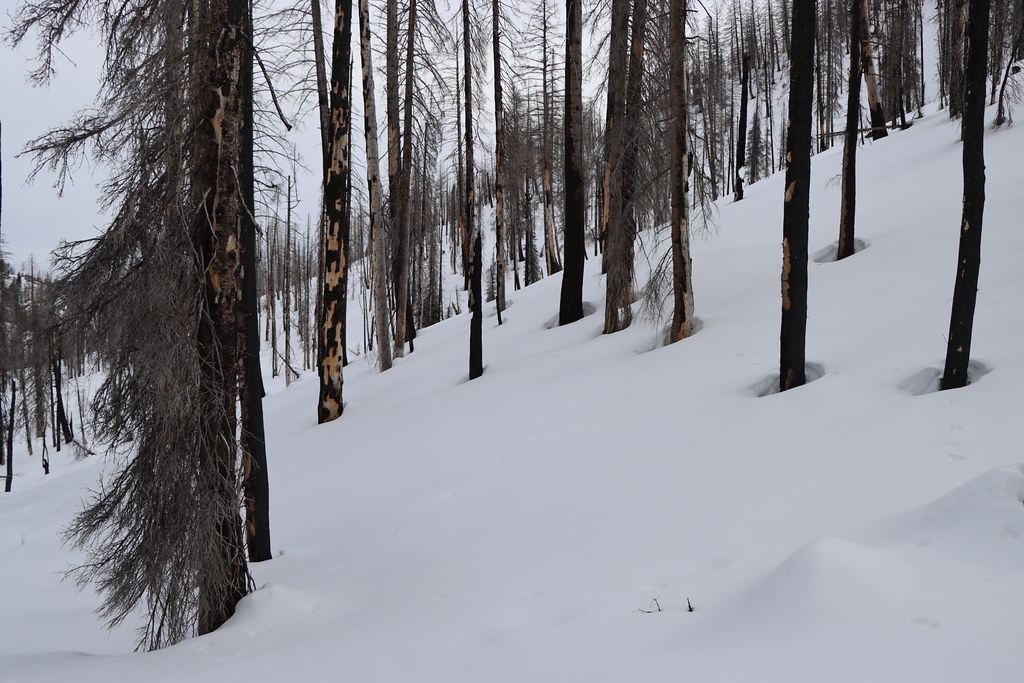
Snowpack in many basins around the state is below average for this time of year and it doesn’t look to get much better before April, the time when Idaho mountains normally reach peak snowpack.
The Idaho Water Supply Committee met March 13 in Boise to provide updates on how the state’s 2026 water supply looks. The reports weren’t great.
“Things are pretty concerning for … the water supply this year,” said Erin Whorton, a water supply specialist with the Natural Resources Conservation Service.
Most Idaho basins received adequate precipitation this year, but a lot of it came as rain.
“Overall, we have pretty normal precipitation … but not a lot of snow,” said David Hoekema, a hydrologist with the Idaho Department of Water Resources.
The reason: abnormally warm temperatures.
Hoekema said 1934 is the warmest winter ever recorded in Idaho. With unusually high temperatures forecast for the near-term, “We should be in the running … to compete with 1934,” he said.
The difference, he said, is that 1934 had a terribly dry winter while this year the state has at least received a near-normal amount of precipitation.
For example, the Payette basin had 104 percent of average precipitation as of March 17 but only 70 percent of average snowpack. The Henry’s Fork and Teton basins had 102 percent of average precip but 81 percent of average snowpack. The Snake basin above Palisades had 113 percent of average precip and 95 percent of average snowpack.
“Precipitation by and large has been normal but, man, it’s been warm,” said Mark Robertson, a water supply specialist with M3Works and a member of the water supply committee.
“It’s been extremely warm this winter,” said Troy Lundquist, a hydrologist with the National Weather Service in Boise. “Water year to date, precip is near normal across Idaho (but) current snowpack is generally well below normal, except in the highest elevations.”
According to the water committee, there is record low snowpack below 7,000 feet in most Idaho basins.
Idaho’s water year begins Oct. 1 and the state’s peak snowpack typically occurs the first part of April.
The state normally has 84 percent of its peak snowpack by mid-March but this year that number is only 64 percent, Whorton said.
“We are 20 percent behind and it doesn’t look like we will catch up,” she said.
Some areas of the state are better off when it comes to the 2026 water supply outlook.
There is record low snowpack in many basins along the southern part of the state.
“The water supply is going to be pretty tight this year (in those areas),” Whorton said.
An exception is the Bear River basin, which only had 81 percent of normal snowpack as of March 17 but has a good amount of water storage because of several prior good snow years.
The Boise basin had 97 percent of average precip and 72 percent of average snowpack but the water supply in that region is looking okay thanks to an adequate amount of water storage built up from prior good snowpack years.
All basins in northern Idaho have near-record-low snowpack for the fourth year in a row, although total precipitation in those areas is above normal.
Unlike other basins, the central mountains received higher-than-normal snowpack and precipitation. “We had a good snow buildup there,” Hoekema said.
The Upper Snake reservoirs were 66 percent full as of March 13, which is 95 percent of average.
The Upper Snake system feeds Water District 1, Idaho’s largest and most important water district. That area has below-average snowpack and started the water year with a low amount of carryover water in its reservoir system.
The upper Snake reservoir system can hold 4.1 million acre-feet of water, enough to supply well over 1 million acres of farmland in eastern and southern Idaho with irrigation water.
The Upper Snake River reservoir system on March 13 was holding about 2.6 million acre-feet of water, which is 550,000 acre-feet less than at this time last year. Spring runoff forecasts in the Upper Snake range from 70-90 percent of normal, depending on whether that area has a dry or wet spring.
The water outlook this year for irrigators in that district could hinge on how much precipitation there is this spring, said Craig Chandler, the watermaster for Water District 1.
“All things are pointing to a below-average water year,” he said. “We would need an above-average precipitation in the spring in order to get to a decent … water supply this year.”
Still can't find what you are looking for? Find by topic:
- County Presidents & Board Information
- County Resource Page
- Delegate Form
- Discount Programs
- Discussion Meet
- Discussion Meet - High School
- Education Programs
- Events
- Excellence Award (YF&R)
- Expense Voucher
- Flickr- Photos
- Gem State Producer
- High School Discussion Meet
- High School Speech Contest
- Hope in Idaho Ag
- House of Delegates Credentials Form
- IFBF Board of Directors
- IFBF Staff
- Insurance
- Issue Advisory
- Legislative Action Program
- Legislative Issues
- Library
- MAC Trailer
- Magazines
- Map My Benefits
- Member Benefits
- Member Discount
- Membership Application
- Mental Health Resources
- Mission Statement
- Moving Agriculture to the Classroom
- Newsletter Sign up
- News Releases
- News Room
- Open Range Law
- Photo Contest
Thank You to Our Partners


